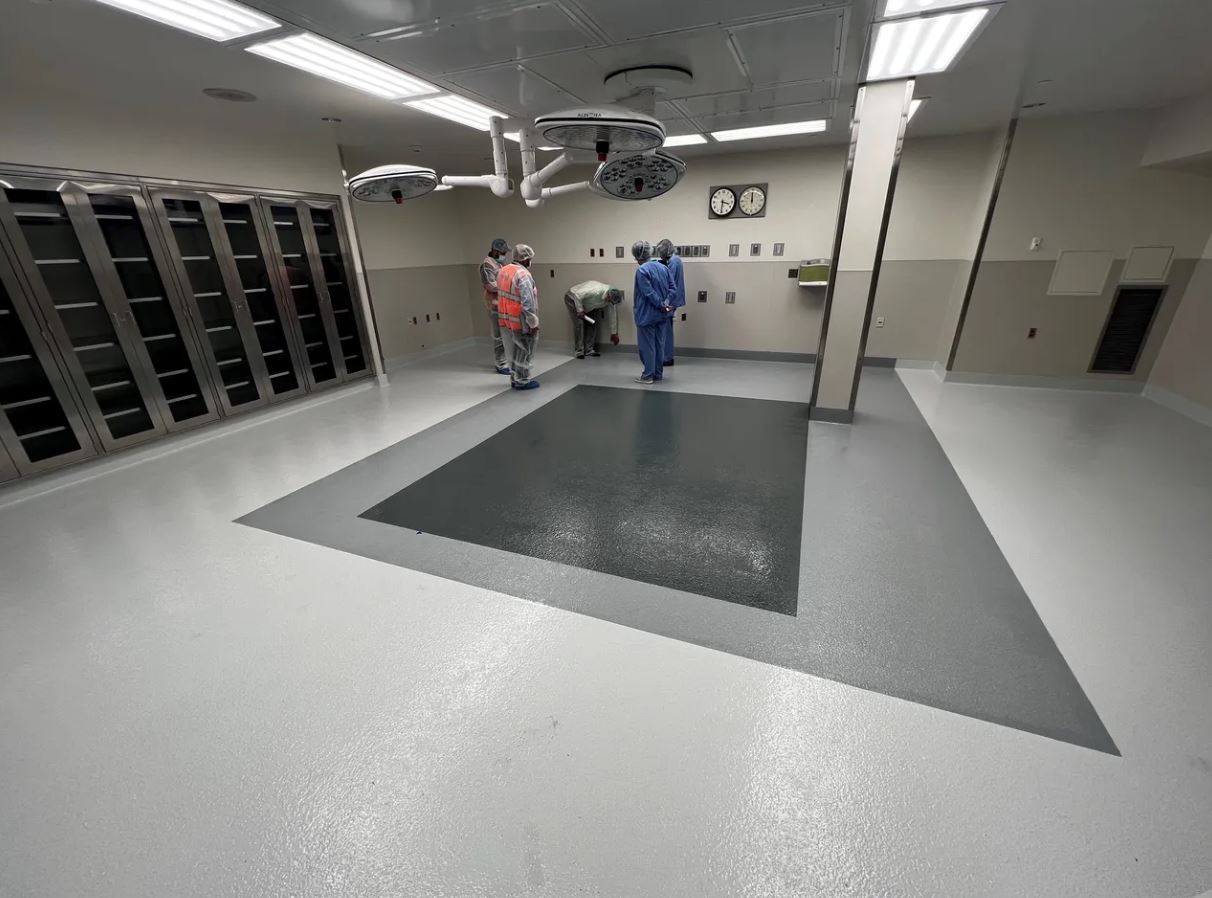
Flake flooring systems are gaining popularity in Denver, and there's a good reason. Decorative flakes create a textured, visually appealing floor when added to a wet epoxy coating. These floors work well in garages, warehouses, and showrooms—places with lots of foot traffic.
The flakes come in many colors and sizes, and the spread affects the final look. After you add the flakes, you must seal them with a topcoat of the correct thickness. Otherwise, problems will arise.
Why does topcoat thickness matter? It's about durability. The topcoat protects the flakes from wear, especially in busy areas. If the topcoat is too thin, the flakes will chip and peel, ruining the look. A thick enough topcoat makes the floor easier to clean. A smooth surface is easier to maintain than a rough one.
Topcoat thickness also affects how long the floor lasts. A sealed flake system can last for years. If you use too little topcoat, you’ll need repairs or a replacement sooner. No one wants that, especially if you manage a commercial property or want to attract tenants.
Also, a thicker topcoat can hide flaws in the concrete below. Searching for a reliable Flooring Contractor in Denver property owners recommend for new flooring projects.. Do you have cracks or unevenness? A flake system with a solid topcoat can hide those issues, giving you a great finish. Measuring topcoat thickness after flake sealing is important for a floor that looks good and lasts.
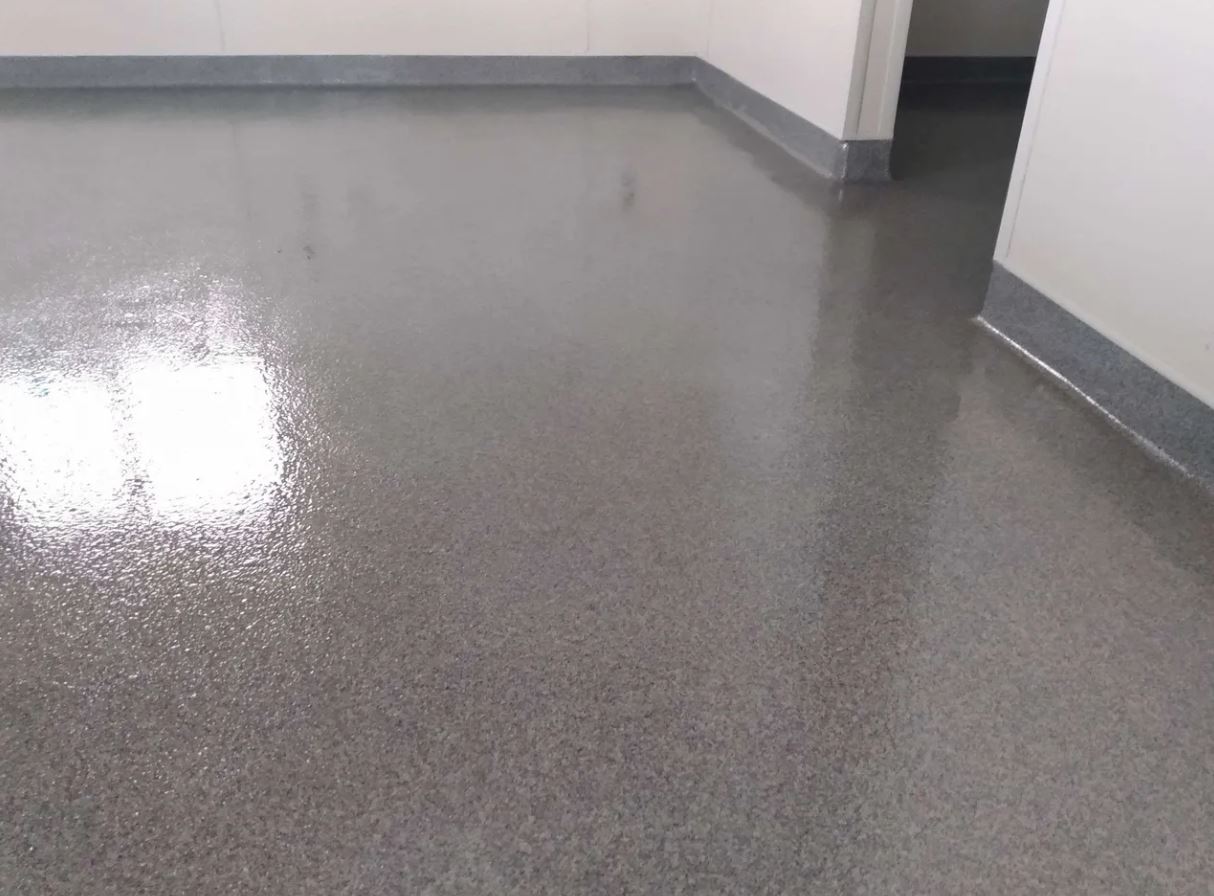
Let's break down what a flake flooring system is. You have three main layers. First, there's the base coat. This layer adheres to the concrete and provides the initial bond. It's often an epoxy or similar resin.
Next is the flake layer. This is where the visual appeal comes in. You broadcast decorative flakes into the wet base coat. The flake type, size, and density depend on the look you want.
Finally, the topcoat is very important. This clear coat seals everything. It protects the flakes from wear and creates a smooth, durable surface. Without a good topcoat, your flakes will chip and peel. You'll have a mess.
Here is why things can go wrong. Incorrect application at any stage can cause system failures. If the base coat isn't properly applied, it won't bond well. If you don't broadcast enough flakes, you'll see too much of the base coat. If the topcoat is too thin or not correctly applied, you lose protection. Following the manufacturer's instructions matters. Messing it up can lead to costly repairs later.
Measuring topcoat thickness after flake application protects the decorative flakes. A thin topcoat causes flakes to wear away fast, especially in busy areas. This creates a dull look and ruins the point of a flake system. A good topcoat fully covers the flakes and guards against wear, chemicals, and UV rays. This extends the floor's life and keeps it looking good. It's like insuring your investment.
You must follow what the manufacturer says about topcoat thickness. They decide the best thickness based on product features, like the epoxy and flakes. Not following these rules can hurt the floor's performance and life. You might see problems like peeling, cracks, or color changes. Always check the product sheets and use the right amounts to make sure the topcoat works as it should.
Early wear is a big worry if the topcoat isn't thick enough. Flake systems should last, but they are only as strong as their weakest part. A thin topcoat is that weak part. Walking, dropping things, and even cleaning can harm a flake floor without enough protection. By using enough topcoat, you cut the risk of chips, scratches, and wear. This saves money on fixes and replacements. Think of it as taking care of your flooring investment.
Many epoxy floor makers offer warranties, but they have rules about how you put it on, like topcoat thickness. If you don't meet these rules, you lose the warranty. Then you pay for any fixes or replacements. Measuring the topcoat and writing down the results proves you did the job right. This saves you from surprise costs and lets you trust the maker's help if problems come up. Keep good records of your work.
Besides lasting long, topcoat thickness helps keep your flake floor looking good. A spotty or thin topcoat makes the finish look uneven. This hurts the floor's look and lowers its worth. A good topcoat makes a smooth, shiny surface that makes the flakes' color and feel better. This makes a great-looking floor that adds worth to your place and makes a good impression. So, it's about both protection and looks.
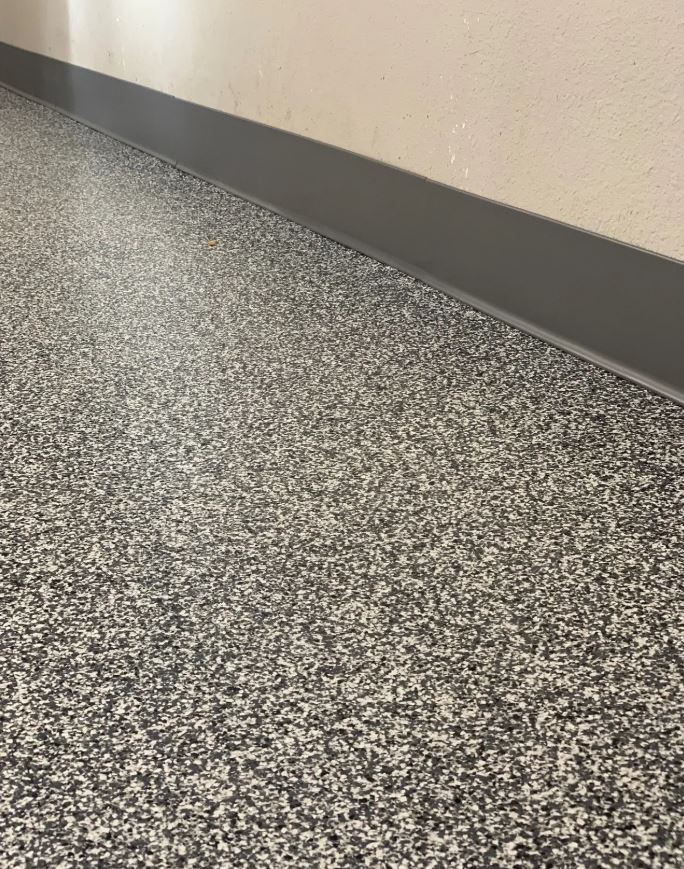
You have your flake system, it looks good, and now it is time for the topcoat. How do you make sure you are applying enough? If you don't apply enough topcoat, your flakes will wear away fast. This leaves you with a rough, unprotected surface. Apply too much, and you waste material and money.
There are ways to check your topcoat thickness. While you apply the topcoat, you can use a wet film thickness (WFT) gauge. This tool looks like a comb. You stick it into the wet coating to see how thick it is. These gauges are cheap and easy to use, great for smaller projects. The downside is they are not precise, and you only get a reading of the wet film.
After the topcoat cures, you can use a dry film thickness (DFT) gauge. These are electronic and give you a more accurate reading. They measure the distance between the gauge and the substrate using magnetic or eddy current. DFT gauges cost more, but they are worth it for larger projects where accuracy matters. Plus, they give you a true reading of the final cured thickness.
You broadcast your flakes and sealed them. How do you know if you put down enough topcoat? Measuring dry film thickness (DFT) helps. You can do this in two main ways: destructive and nondestructive methods. Let's get started.
Nondestructive testing is great because you don't damage the floor! You need a DFT gauge that uses magnetic or eddy current principles. Calibrate the gauge using the manufacturer's directions. This is important for accurate readings. Place the probe on the floor surface and take readings in different spots. Write these down! Average them to get an idea of your topcoat thickness. If your readings are too low, apply another coat. Seriously. Don’t skip this.
Destructive testing uses a Tooke gauge to create a small V-shaped groove through the coating. Then, use a microscope to measure the width of the groove. This corresponds to the coating thickness. It sounds scary, but it’s precise. The downside? You’ll have a tiny imperfection in the floor. Do this in an out-of-the-way area. Proper calibration and a steady hand are key. If you don't get this right, you risk inaccurate readings and a compromised floor.
Why do this? If the topcoat is too thin, the flakes wear away fast, and the floor won't be protected. Too thick, and you've wasted material and added weight. Getting it right ensures durability, long life, and a floor that looks great.
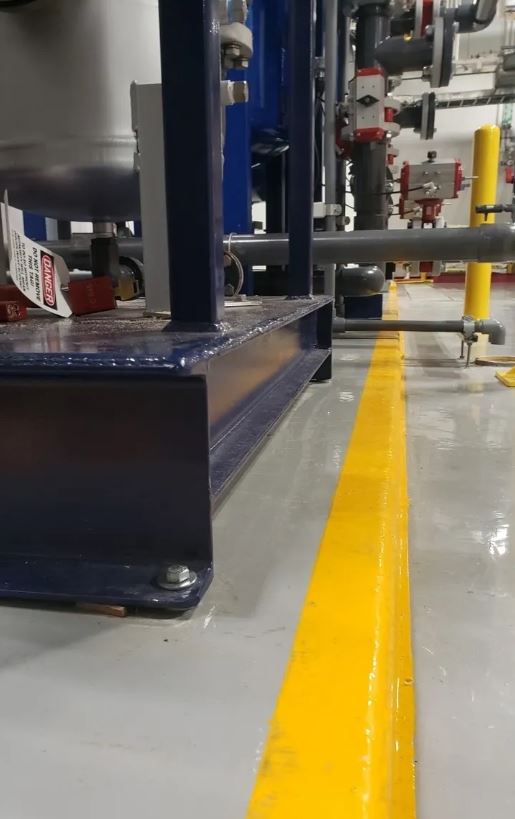
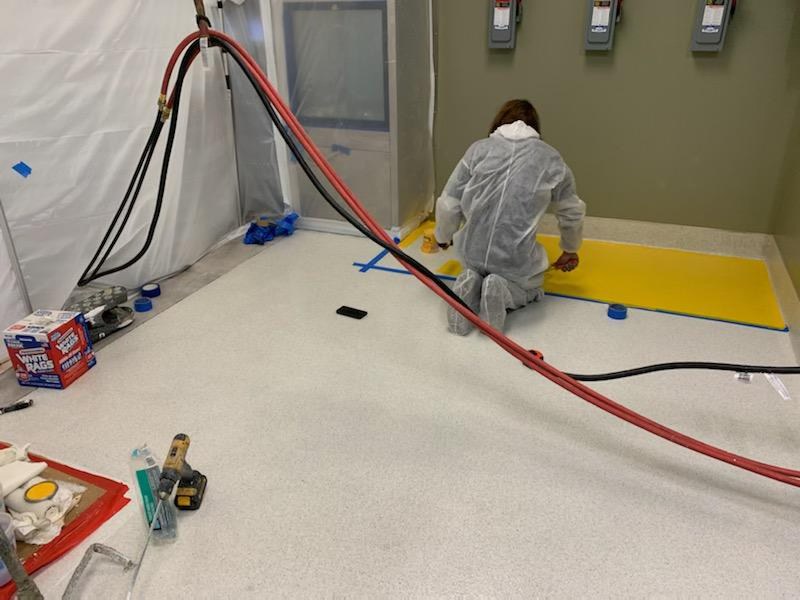
When you check the topcoat thickness after sealing the decorative flakes, several factors determine what's "right." It is not a one-size-fits-all situation. The flake system matters. Are they small, medium, or large flakes? The epoxy or coating maker *always* has a spec sheet. Read it! It is your guide. What will the floor be used for? A garage differs from a warehouse.
Generally, you want a topcoat thick enough to fully cover the flakes, protecting them from wear. But avoid making it *too* thick.
Too little topcoat, and the flakes will start popping off with traffic. It looks bad, and the floor loses its integrity. Too much, and you waste material, add weight, and could create a surface more prone to scratching or clouding.
If you are short on the target thickness, apply another coat. Prep the surface first. Lightly sand or abrade it to give the new coat something to grip. If you went too thick, that is harder to fix. You might lightly grind it down, but you risk damaging the flakes. It’s better to get it right the first time. Measure and apply carefully.
You've applied and sealed your flakes. Great. Now, measuring topcoat thickness matters, but errors happen. Mess it up, and the floor wears out fast or looks uneven.
First, calibrate your gauge. If it's off, readings are useless. Check it against a standard before you start. Next, placement matters. Don't slap the gauge anywhere. Take readings in many spots, especially in high-traffic areas and along edges where coating thins.
Another common skip? Surface prep before measuring. Dust or debris skews the reading. Wipe it down. It's quick. Also, use the right gauge for the material. A metal gauge won't work on epoxy.
Here is why this all matters. If the topcoat is too thin, flakes pop out with wear. Too thick, and you waste material and money. Get it right, and the floor lasts, looks good, and saves trouble.
Several methods are available for measuring topcoat thickness, including destructive and non-destructive techniques. Destructive methods involve cutting into the coating and measuring the thickness with a microscope. Non-destructive methods, such as ultrasonic gauges and eddy current gauges, provide quick and accurate measurements without damaging the coating.
Measuring topcoat thickness after flake sealing is essential for ensuring optimal performance and longevity of the coating system. Adequate thickness provides sufficient protection against UV radiation, chemical exposure, and abrasion, preventing premature degradation. Precise measurement helps verify compliance with specified requirements and maintain consistent quality across the coated surface.
Uniform topcoat application is crucial for achieving consistent protection and aesthetic appeal. Variations in thickness can lead to uneven wear, inconsistent color, and potential failure points. Regular monitoring of topcoat thickness throughout the application process helps identify and correct any inconsistencies, ensuring a high-quality and durable finish.
The right topcoat thickness helps your flake system last. Over time, the topcoat wears down from use. When it's gone, the flakes are exposed, and the floor degrades faster.
Regular inspection is key. Inspect residential garages at least twice a year. Check commercial spaces quarterly. Look for dull spots or scratches. Also, look for areas where the flakes seem prominent. These are signs the topcoat is thinning.
Reapplication is simple. Lightly sand the surface, then add a new coat of your topcoat material. Use epoxy, polyurethane, or whatever you used before. The trick is not waiting too long. Catching it early means a single coat. Waiting too long means more prep work and more coats.
We offer maintenance plans for your needs. For a high traffic warehouse, we can inspect and reapply as needed. For a garage floor, we can advise you on products and schedules for DIY. We can also handle the reapplication for you. Think of us as your partner in keeping that floor looking its best.
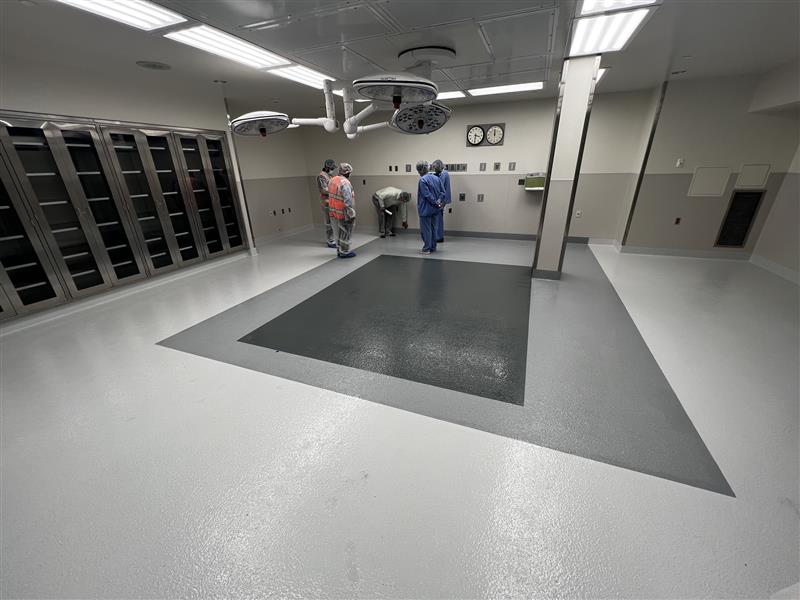
Let's examine some real-world examples of how topcoat thickness affects flake flooring jobs. This is important, and I've seen issues in Denver.
Consider a home garage. The homeowner wants a nice flake floor. If the contractor uses too little topcoat, flakes will pop off with regular car traffic. It looks bad, and you must make repairs sooner than expected. A proper topcoat, thick enough to protect the flakes, prevents this.
Now, think about a commercial kitchen. Flake floors work well for kitchens because they clean up easily and look good. If the topcoat is too thin, the floor will stain from spills, and foot traffic will wear it down quickly. You might need to redo everything within a year. Spend more on the topcoat, do it right, and avoid problems.
Finally, picture a warehouse. This is where you see major issues with a bad topcoat. Forklifts and heavy equipment will shred a thin topcoat. The flakes get torn out, the epoxy gets damaged, and you have an uneven, unsafe surface. A thick, lasting topcoat is key in these industrial settings. It prevents costly repairs and lost time.
What if things go wrong with the topcoat later? It happens! Bubbling is a common issue. This usually means moisture got trapped underneath. Be sure the concrete is prepped and dry before you start.
Peeling is another problem. This often points to poor adhesion. Did you grind the epoxy base coat before applying the topcoat? Skipping this step is risky. Also, be sure you're using products that work well together. Don’t mix brands without checking.
Uneven wear can also occur. This could be from inconsistent application. Maybe you didn't mix the topcoat well, or you rushed. Use a squeegee and back-roll to get an even coat.
What do you do if you spot these problems? Small bubbles might pop on their own, but big ones require scraping, sanding, and a topcoat patch. For peeling, you might need a full replacement. You'll need to grind back to a solid surface and start over. Uneven wear can sometimes be fixed with another thin coat, but prep is key. Sand lightly to create a good bond.
Prevention is better. Take your time, follow the instructions, and don't cut corners. It'll save you trouble and money.
When you install flake flooring in Denver, you can't just slap it down and hope for the best. There are rules. Building codes and industry standards exist. You need to pay attention, especially when it comes to thickness.
Why does thickness matter? A floor that is too thin won't hold up to wear. A floor that is too thick wastes material and might create trip hazards. Denver doesn't have specific rules about flake flooring thickness. But they do have general guidelines for flooring in different applications.
For example, the Denver Building Code references the International Building Code (IBC), which has sections on floor coverings and their installation. Look at Chapter 16 in the Denver Building Code for structural design that can affect your flooring choices. Also, check out the Denver Zoning Code for any use-specific requirements that might affect your floor.
For residential projects, you will want to meet minimum requirements for things like slip resistance and load-bearing capacity. Commercial spaces have stricter requirements. Think ADA compliance, fire ratings, and heavier traffic.
Your best bet is to contact the Denver Department of Community Planning and Development. They can point you to the exact regulations that apply to your project. Do not skip this step! It could save you headaches and money. Also, check out resources such as the Colorado Association of Home Builders for guidance.
When measuring topcoat thickness after flake sealing, you can do it yourself or hire a pro. DIY seems cheaper at first. You can buy a gauge, watch videos, and try it. But will you get an accurate reading?
Flooring contractors offer a lot. They have equipment calibrated for accuracy. More importantly, they know what the numbers mean. It's not just about thickness; it's about consistent coverage and long-term wear.
Here is why: If the topcoat is too thin, flakes will wear away faster, and your floor will look patchy sooner. Too thick? You waste material and might create a surface prone to cracking.
A professional can check the whole system, spot problems early, and ensure the floor lasts. Yes, it costs more now, but it can save you money and trouble later, especially in busy areas. Plus, you get their knowledge. They've seen it all and know what works.
What's next in topcoat thickness measurement? It's more than just rulers now. We're talking about some cool tech.
Consider advanced sensors. These tools give you precise readings without touching the floor. That means less chance of messing up the finish while you check it. Then there are automated systems. Robots can check the thickness and send the data to your computer. It sounds like sci-fi, but it's getting closer.
What about predictive analytics? By analyzing the data from these measurements, you can predict when the topcoat might wear down. This lets you schedule maintenance before things get ugly. You save money and avoid headaches.
The future of flooring inspection involves being smarter and more productive. We're moving toward catching problems early, fixing them quickly, and keeping your floors looking great. This means less downtime for businesses and fewer repair bills for homeowners. It's a win-win.
Want a flake floor in Denver? Good choice. They look great and last. But the contractor you pick matters. Don't just pick the first name you see online.
You need someone who *gets* flake systems, not just someone who applies epoxy. Ask about topcoat thickness. If they can't explain why it's important to measure it *after* the flakes are sealed, that's a bad sign. The topcoat protects the flakes and provides a durable, easy-to-clean surface. If it's too thin, the flakes wear through. If it's too thick, it can get cloudy or crack.
Look for certifications from epoxy makers. That shows they've been trained. Ask for references and call them. Ask about the whole process, not just the final look. Were they on time? Did they communicate well? Did they measure the topcoat thickness?
Read online reviews, but be careful. Focus on reviews that mention the work quality and the contractor's knowledge. A good contractor will walk you through the different flake types and densities, helping you choose what's best for your space and budget. This isn’t hard, but experience matters.
You sealed the flakes, great! But here is a key step some skip: Measure the topcoat thickness after sealing the flakes. Why? It is the only way to know if you have enough protection.
Think of it this way: The topcoat takes the beating from foot traffic, dropped objects, and daily wear. If it is too thin, flakes will start popping off fast. Nobody wants that, right?
The right topcoat thickness ensures the durability, look, and lifespan of your floor. It protects your investment. It also impacts how it looks. Uneven topcoat leads to a blotchy finish. The right thickness is key to a smooth, glossy surface.
The takeaway? Do not assume you applied enough topcoat. Measure it! This simple step saves headaches and money. If you are in Denver and want to ensure your flake flooring is done right, contact us. We are happy to help you get the job done.